Choosing the Right Cutting Tools for Tough Materials
Cutting through hard materials like stone, concrete, and ceramic requires specialized tools. Standard blades wear out quickly and often leave rough edges behind. Diamond blades are designed to solve this problem with strength and precision. They are widely used in construction, renovation, and industrial work due to their durability and consistent results.
How Diamond Blades Are Made
Diamond blades are manufactured using a steel core and a rim embedded with synthetic diamonds. These diamonds are selected for their hardness, which allows them to grind through very dense materials. The rim can be segmented, continuous, or turbo-style depending on the job requirements. Each design has a purpose.
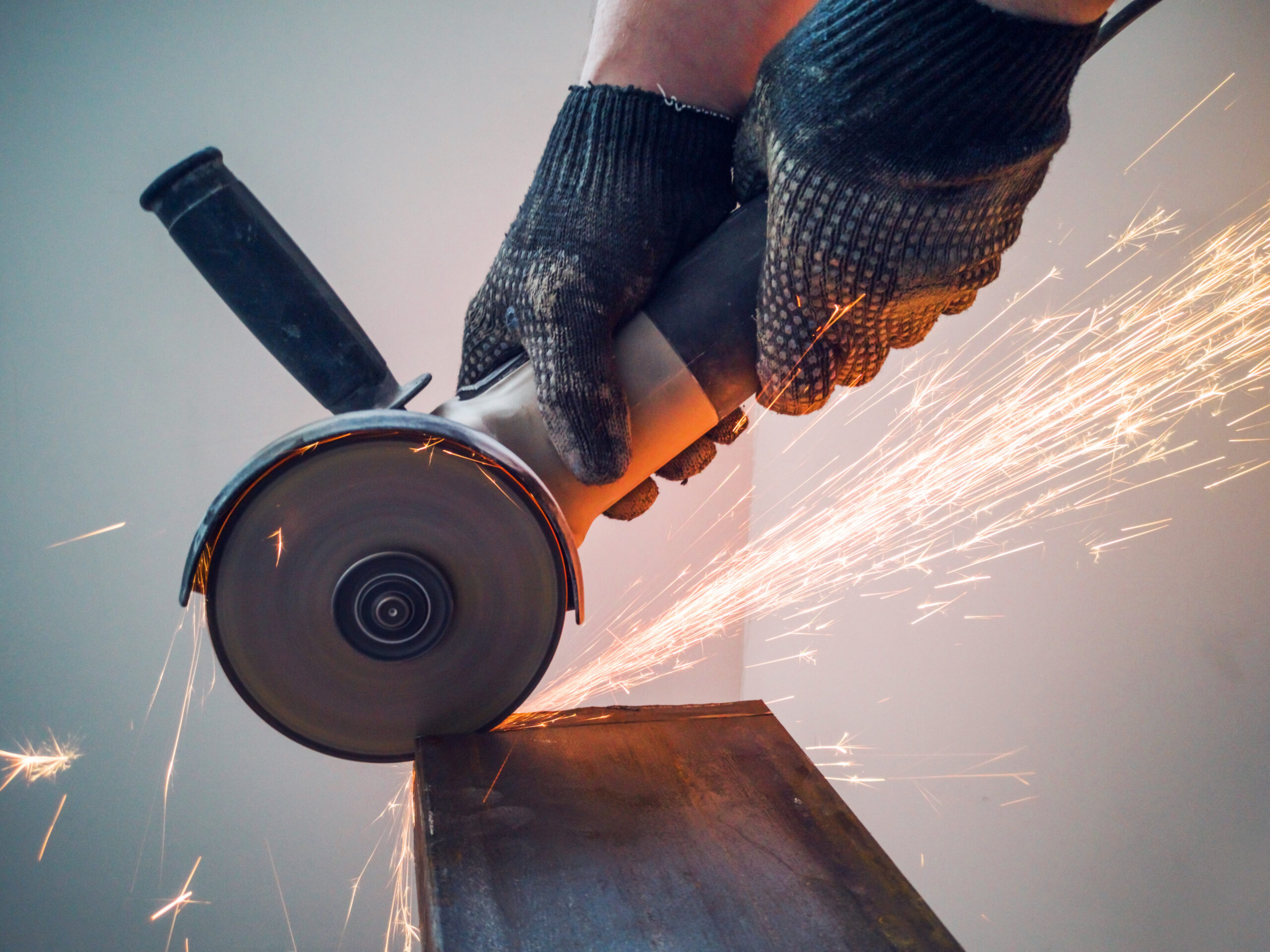
The manufacturing process involves bonding the diamonds with metal powders under high heat and pressure. This creates a strong edge that can handle intense cutting conditions without breaking easily. The bond gradually wears away during use, exposing fresh diamonds for continued performance. This cycle keeps the blade sharp over time.
Popular Types and Their Uses
Different types of diamond blades are made for specific tasks, and choosing the correct one can improve both speed and accuracy. Segmented blades are ideal for rough cuts in concrete and asphalt because they allow better airflow. Continuous rim blades are used for smooth cuts in tiles and glass. Turbo blades provide a balance between speed and finish.
Many contractors prefer reliable suppliers that provide high-quality options such as Diamond Blades suited for various cutting needs. These products are designed to handle demanding conditions, from cutting reinforced concrete slabs to shaping delicate stone surfaces. A good blade reduces effort and improves precision. Results become more predictable.
Common applications include:
Cutting concrete roads with blades over 16 inches for deep and steady cuts. Trimming porcelain tiles using 5-inch blades for accuracy and minimal chipping. Slicing bricks and blocks during masonry work, which requires a durable and heat-resistant edge.
Factors That Influence Blade Performance
Blade performance depends on several important factors, including speed, pressure, and material type. Running a blade too fast can cause overheating, while too much pressure can damage the edge. Proper handling improves both safety and efficiency. Small adjustments help a lot.
Cooling methods also affect how well the blade works. Wet cutting uses water to reduce heat and dust, which is useful for longer jobs and indoor work. Dry cutting is faster to set up, but it requires careful monitoring to prevent overheating. Both methods are used depending on the task.
The hardness of the material plays a big role in how quickly the blade wears down, and using the wrong bond type can lead to slow cutting and uneven edges that affect the overall quality of the project. Matching the blade to the material ensures smoother operation and better results.
Safety and Maintenance Practices
Proper maintenance helps extend the life of diamond blades and keeps them safe to use. Cleaning off debris after each use prevents buildup that can affect cutting performance. Storing blades in a dry environment protects the steel core from rust. Simple care works.
Safety precautions should always be followed when using cutting tools. Operators should inspect blades for cracks or missing segments before starting work. Wearing gloves, eye protection, and ear protection reduces the risk of injury. These habits are essential.
It is important to allow the blade to cut at its own pace without forcing it through material. Excess pressure can lead to uneven cuts or even blade failure. A steady approach ensures better control and longer blade life. Patience improves results.
Diamond blades continue to play a key role in modern construction and cutting tasks. Their ability to handle tough materials with precision makes them a trusted choice for professionals. With proper use and care, they deliver reliable performance and help complete projects with greater accuracy.…